FITPRIA

SURABAYA · ID

Whole almonds, seeds and dark spinach leaves on travertine

FitPria · Micronutrient Guide

Eight Essential Nutrients for Active Men

Micronutrients govern the enzymatic reactions, hormone production, and oxygen transport that determine how well your body performs. This guide covers eight critical nutrients — each with local Indonesian food sources and practical daily targets.

In This Guide

What Micronutrients Actually Do

Macronutrients provide calories and structural material. Micronutrients determine whether your body can convert that raw material into energy, hormones, immune response, and physical output. A caloric surplus with micronutrient deficiency produces poor-quality muscle, disrupted recovery, and performance plateaus that no additional training volume can fix.

Nutrient 01

Magnesium

Daily target: 310–420 mg

Magnesium participates in over 300 enzymatic reactions including ATP synthesis — the fundamental energy currency of muscle contraction. For men training in Surabaya's heat, magnesium losses through sweat are significant, making deficiency one of the most common yet overlooked performance limiters in tropical climates.

Adequate magnesium intake supports deeper sleep through its role in regulating GABA neurotransmitter activity, reduces muscle cramps during training, and improves insulin sensitivity — all directly relevant to athletic performance and body composition over time.

Signs of Deficiency

  • —Muscle cramps and spasms during or after training
  • —Disrupted sleep and difficulty reaching deep sleep stages
  • —Fatigue disproportionate to training load

Local Food Sources

Bayam (Spinach) Biji Labu (Pumpkin Seeds) Kacang Hitam (Black Beans) Tempe Dark Chocolate 70%+ Kacang Almond
Pumpkin seeds, almonds and spinach — magnesium-rich foods

300+

Enzymatic reactions supported

68%

Of men below RDA in Southeast Asia

Fresh mackerel and seafood rich in zinc

11 mg

Daily target for adult men

~30%

Lost in sweat during intense training

Nutrient 02

Zinc

Daily target: 11 mg

Zinc is the primary mineral driver of testosterone synthesis. For active men, adequate zinc levels directly correlate with resting testosterone concentrations, lean muscle retention, and recovery speed between training sessions. Intense exercise depletes zinc through sweat, making regular replenishment through diet critical.

Beyond hormonal function, zinc supports wound healing, immune surveillance, and protein synthesis — all processes that determine how efficiently your body rebuilds muscle tissue following resistance or endurance training.

Signs of Deficiency

  • —Slow recovery and increased susceptibility to illness
  • —Reduced libido and low energy associated with low testosterone
  • —Poor appetite and impaired taste or smell

Local Food Sources

Ikan Kembung (Mackerel) Udang (Shrimp) Tempe Kacang Merah (Red Beans) Daging Sapi (Beef) Biji Wijen (Sesame Seeds)

Nutrient 03

B-Vitamins

B12: 2.4 µg · B6: 1.3–1.7 mg · Folate: 400 µg

The B-vitamin complex operates as a group of metabolic co-factors that enable your body to extract energy from carbohydrates, fats, and proteins. Without adequate B1 (thiamine), B2 (riboflavin), B3 (niacin), and B5 (pantothenic acid), aerobic energy production stalls at the cellular level — reducing endurance capacity and increasing perceived effort at all intensities.

B12 and folate are particularly important for red blood cell production and homocysteine regulation. Men with low B12 — increasingly common in those who reduce meat intake without appropriate supplementation — experience fatigue, reduced nerve function, and impaired cognitive performance alongside physical decline.

Key B-Vitamins for Athletes

Vitamin

Primary Role

Key Sources

B1

Carbohydrate metabolism

Beras merah, Tempe

B2

Energy release

Telur, Susu, Hati sapi

B3

NAD+ production

Ikan, Daging ayam, Kacang

B6

Protein & amino acid metabolism

Pisang, Kentang, Ayam

B12

Red blood cell synthesis

Hati, Ikan, Susu, Telur

Folate

Cell division & repair

Bayam, Edamame, Tempe

Local Food Sources

Beras Merah (Brown Rice) Telur Ayam (Eggs) Hati Sapi (Beef Liver) Tempe Fermented Pisang (Banana)
Athletic man training outdoors in tropical sunlight

Nutrient 04

Vitamin D

Daily target: 600–2000 IU · Blood level: 30–80 ng/mL

Indonesia sits directly on the equator, which might suggest vitamin D deficiency is rare. The reality is counterintuitive: air-conditioned workplaces, indoor training gyms, UV-blocking clothing, and cultural sun avoidance mean that deficiency affects a significant proportion of urban Indonesians — including active men who exercise predominantly indoors.

Vitamin D functions as a steroid hormone that regulates calcium absorption, immune function, muscle protein synthesis, and testosterone production. Men with serum levels below 20 ng/mL show measurable declines in muscle strength, mood stability, and immune resilience — all of which directly impair training quality and consistency.

15 min

Morning sun exposure, bare arms

Fatty Fish

Best dietary source in Indonesia

D3 Form

Preferred supplement form

Local Food Sources

Ikan Kembung ~360 IU/100g
Ikan Salmon ~600 IU/100g
Kuning Telur ~40 IU/egg
Jamur Shiitake ~45 IU/100g
Morning Sunlight Primary source

Nutrient 05

Iron

Daily target: 8–18 mg (higher for endurance athletes)

Iron is the mineral at the center of hemoglobin — the protein that carries oxygen from your lungs to working muscles. Low iron status reduces VO2 max, impairs aerobic capacity, and produces a persistent fatigue that no amount of rest or nutrition can overcome until iron status is restored.

Endurance athletes are at particular risk due to foot-strike hemolysis (red blood cell destruction during running), gastrointestinal blood loss, and sweat iron losses. Heme iron from animal sources is absorbed significantly more efficiently than non-heme iron from plants. Pairing plant iron sources with vitamin C dramatically improves absorption.

Absorption Tips

  • —Pair plant iron sources with vitamin C (jeruk nipis) to increase absorption
  • —Avoid coffee or tea within 1 hour of iron-rich meals (tannins reduce absorption)
  • —Cook in cast iron pans — transfers measurable iron to acidic foods

Local Food Sources

Hati Ayam (Chicken Liver) Daging Sapi Bayam (Spinach) Kacang Merah Tahu (Tofu) Ikan Sarden
Iron-rich legumes, beans and whole grains

25%

Heme iron absorption rate

5%

Non-heme iron absorption (baseline)

Tropical fruits and coconut water rich in potassium

3,500 mg

Daily target for active men

400 mg

Lost per hour of intense sweating

Nutrient 06

Potassium

Daily target: 3,500–4,700 mg

Potassium is the primary intracellular electrolyte governing fluid balance, nerve signal transmission, and muscle contraction. In Surabaya's tropical humidity, potassium losses through sweat during training sessions exceed those in temperate climates by a significant margin — making consistent dietary replenishment non-negotiable.

Low potassium (hypokalemia) in active men produces muscle weakness, irregular heartbeat, and severe cramping — symptoms often misattributed to overtraining or dehydration alone. The most effective strategy is building potassium-rich foods into every meal rather than relying on sports drinks, which typically contain inadequate amounts.

Signs of Deficiency

  • —Severe muscle cramps, especially in calves and hamstrings
  • —Heart palpitations and irregular rhythm during exertion
  • —Persistent weakness and fatigue unresponsive to rest

Local Food Sources

Pisang (Banana) Kelapa Muda (Young Coconut) Alpukat (Avocado) Ubi Jalar (Sweet Potato) Bayam Pepaya (Papaya)

Nutrient 07

Calcium

Daily target: 1,000–1,200 mg

Calcium is critical not just for bone density but for the electrochemical signal that triggers every muscle contraction in your body. Without adequate calcium, muscle function is impaired at the cellular level before structural bone consequences become apparent.

Men who undertake high-impact training — running, basketball, martial arts, or heavy lifting — generate significant mechanical stress on their skeletal system. Calcium, working alongside vitamin D and magnesium, determines bone remodeling efficiency and stress fracture resilience over the long term.

Indonesian cuisine is less dairy-dependent than Western diets, making plant-based calcium sources from tofu, tempe, and dark leafy vegetables the primary daily intake strategy for most men in Surabaya.

Local Food Sources

Tahu Putih (White Tofu) Bayam (Spinach) Brokoli Ikan Teri (Dried Anchovies) Susu Kedelai Susu Sapi
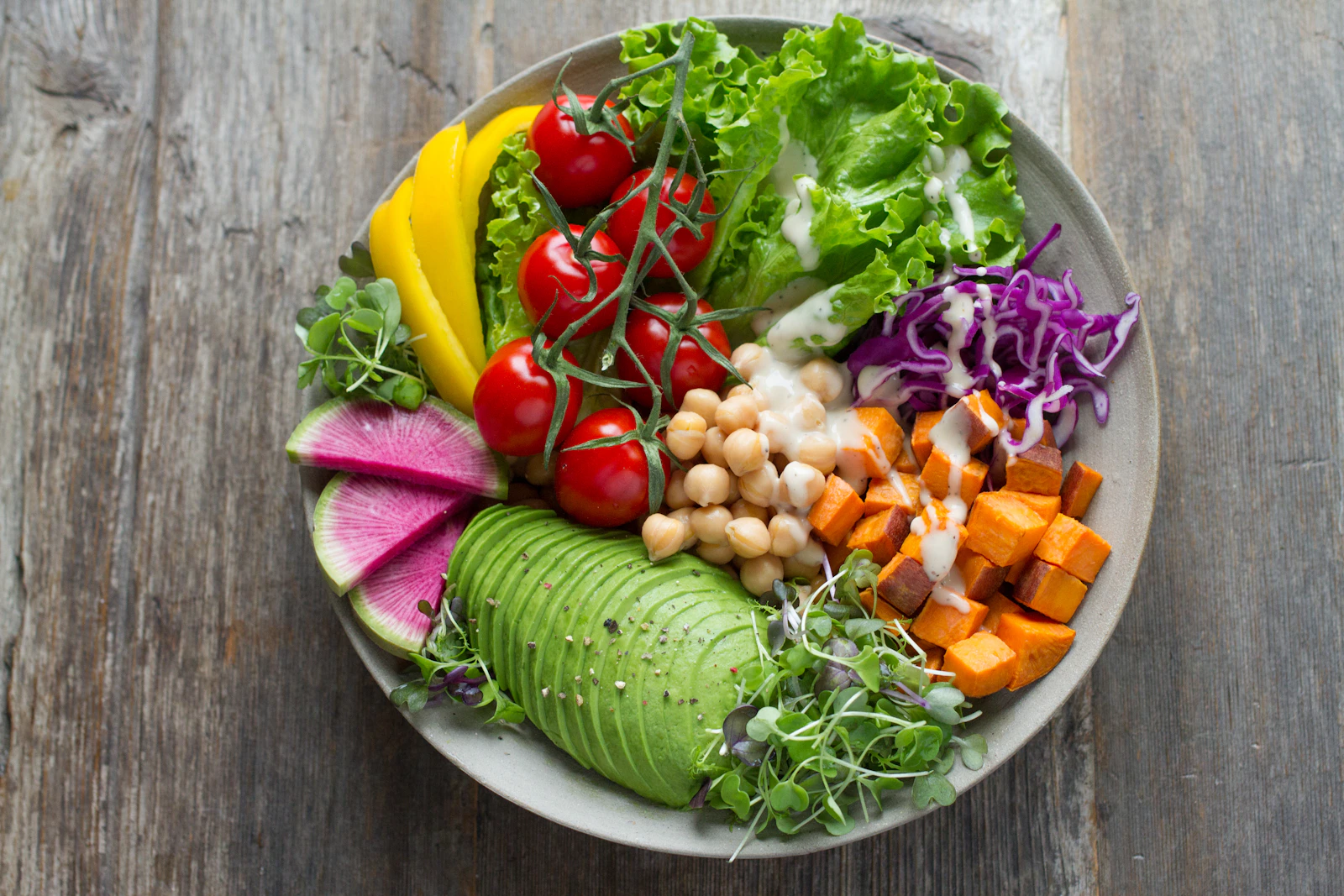
Calcium-rich tropical foods and fresh produce

Calcium + Vitamin D Synergy

Calcium absorption efficiency depends directly on vitamin D status. Without adequate vitamin D, only 10–15% of dietary calcium is absorbed. Pairing calcium-rich meals with morning sunlight exposure or vitamin D supplementation maximizes skeletal benefit.

Brazil nuts, whole grains and legumes rich in selenium

55 µg

Daily target (adult men)

2 nuts

Brazil nuts meets full daily requirement

Nutrient 08

Selenium

Daily target: 55–70 µg (do not exceed 400 µg)

Selenium is the trace mineral that powers glutathione peroxidase — your body's primary antioxidant enzyme system. During intense training, exercise-induced oxidative stress generates free radicals that damage muscle cell membranes and impair recovery. Adequate selenium neutralises a significant portion of this oxidative load.

For men over 30, selenium also supports thyroid hormone conversion (T4 to T3) — critical for metabolic rate regulation, energy availability, and body composition management. Thyroid function declines are often misattributed to aging when they are in part driven by micronutrient insufficiency.

Selenium is one of the few nutrients where the margin between optimal and toxic intake is relatively narrow. Brazil nuts in particular are so high in selenium that two per day typically meets full requirements — making supplementation unnecessary and potentially counterproductive.

Local Food Sources

Kacang Brazil (2/day) Ikan Tuna Udang (Shrimp) Telur Ayam Daging Sapi Beras Merah

Key Takeaways

Building Your Micronutrient Foundation

No single micronutrient works in isolation. Magnesium enhances vitamin D absorption. Iron transport improves with vitamin C co-consumption. Calcium requires vitamin D for effective uptake. Building a whole-food diet based on the local Indonesian sources listed above creates a naturally synergistic micronutrient profile.

If you suspect deficiency in any of these eight nutrients, a comprehensive blood panel — including serum ferritin, 25-OH vitamin D, magnesium RBC, and zinc plasma — provides the clearest diagnostic picture and informs targeted supplementation decisions.

Quick Reference

Magnesium310–420 mg/day
Zinc11 mg/day
B122.4 µg/day
Vitamin D600–2000 IU/day
Iron8–18 mg/day
Potassium3,500–4,700 mg/day
Calcium1,000–1,200 mg/day
Selenium55–70 µg/day