FITPRIA

SURABAYA · ID

Tropical hydration — coconut water and fresh water post-training

FitPria · Hydration Strategy

Hydration for Tropical Training

Training in Surabaya's heat and humidity creates hydration demands that generic Western guidelines fail to address. This guide covers sweat rate calculation, electrolyte replacement, timing strategy, and the local sources that replenish fluid and mineral balance effectively.
The Tropical Context

Why Standard Guidelines Fall Short

Most hydration recommendations are derived from research conducted in temperate European and North American climates at 15–20°C. Applied to Surabaya's 28–35°C ambient temperature and 70–85% relative humidity, those figures significantly underestimate actual fluid and electrolyte requirements — sometimes by 40–60%.

At high humidity, the body's primary cooling mechanism — sweat evaporation — becomes less efficient. The result is higher core temperature accumulation, greater total sweat volume per unit time, and accelerated electrolyte loss. Men exercising outdoors in Surabaya during peak afternoon heat can lose 1.2–1.8 litres of sweat per hour, compared to 0.5–0.8 litres in a temperate gym.

This matters not only for performance but for safety. Heat exhaustion and heat stroke are genuine risks for active men in Indonesia who are under-hydrated — not remote worst-case scenarios. An effective tropical hydration strategy addresses both acute performance and long-term health.

35°C

Peak Surabaya temp

85%

Max relative humidity

1.8 L

Max sweat rate / hour

2%

Dehydration = −20% performance

Interactive Tool

Daily Water Intake Calculator

Estimate your daily hydration target based on your bodyweight, training duration, and Surabaya's ambient heat. Adjust the sliders and your target updates instantly.

Calculation basis: 35 ml/kg base + 500–900 ml per hour of exercise in tropical heat + 200 ml adjustment for high humidity conditions.

75 kg
50 kg120 kg
60 min
Rest day3 hrs

Your Daily Hydration Target

3.4

litres / day

2.6 L

Base

0.6 L

Training

0.2 L

Climate

Electrolyte Reference

Electrolyte Losses in Tropical Heat

Sweat is not just water. Each litre of sweat contains significant concentrations of sodium, chloride, potassium, magnesium, and calcium. Replacing fluid without replacing electrolytes leads to dilutional hyponatraemia — a condition where blood sodium falls dangerously, causing nausea, confusion, and in severe cases, seizure.

The table shows estimated electrolyte losses per litre of sweat for men exercising in tropical conditions, alongside daily recommended intake and the best local food sources for replenishment.

Electrolyte Loss / L Sweat Daily Target Top Local Sources

Sodium (Na⁺)

Primary extracellular electrolyte

460–1,840 mg 1,500–2,300 mg Garam, Kecap asin, Ikan asin

Potassium (K⁺)

Primary intracellular electrolyte

160–490 mg 3,500–4,700 mg Pisang, Alpukat, Kelapa muda

Magnesium (Mg²⁺)

Muscle & nerve function

4–15 mg 310–420 mg Bayam, Tempe, Biji labu

Calcium (Ca²⁺)

Muscle contraction trigger

20–60 mg 1,000–1,200 mg Tahu, Ikan teri, Susu kedelai

Chloride (Cl⁻)

Fluid balance partner to sodium

710–2,840 mg 2,300 mg Garam meja (paired with sodium)

* Loss ranges reflect individual variation in sweat sodium concentration (salty vs. light sweaters).

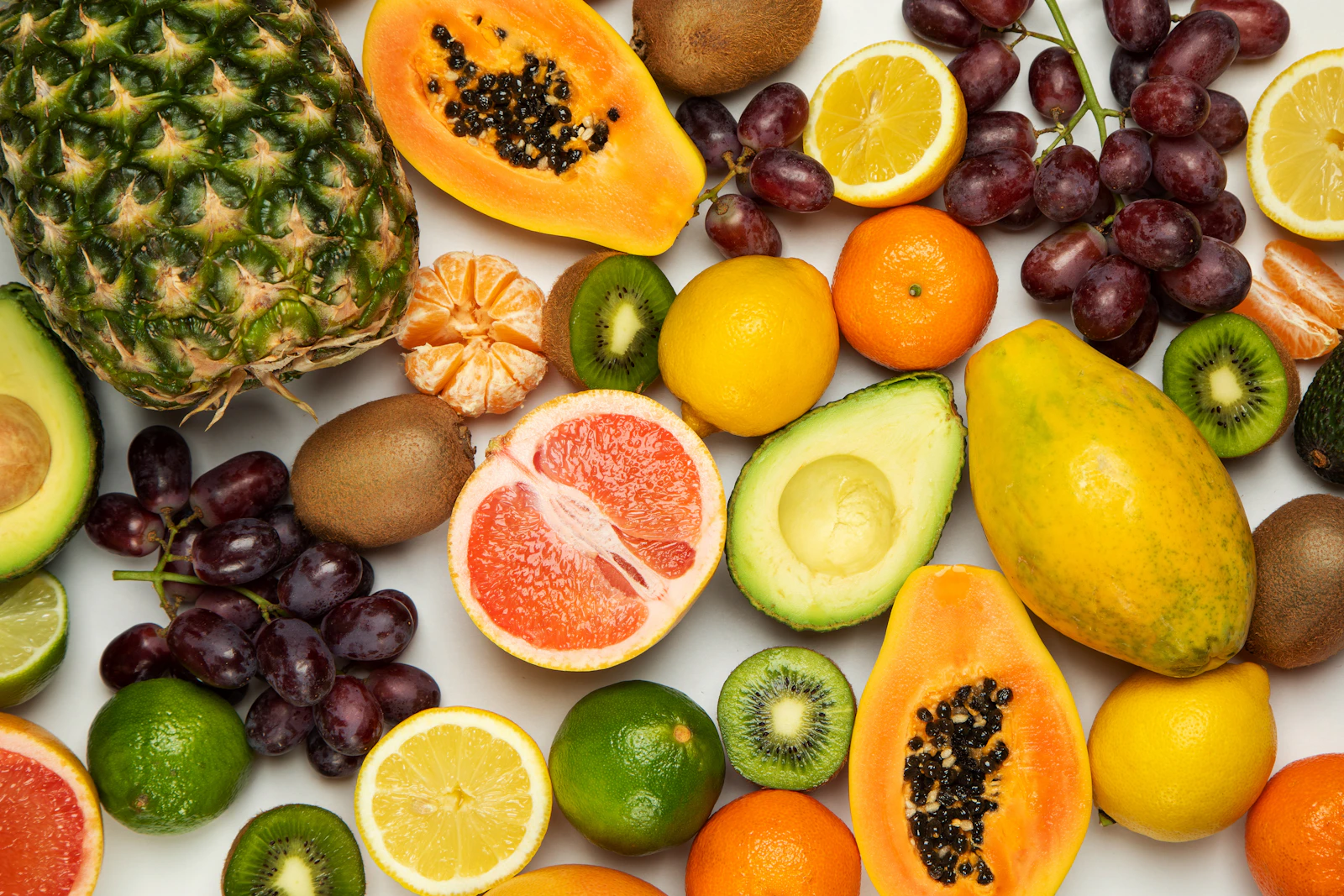
Fresh coconut water and tropical fruits for hydration

Timing Protocol

Daily Hydration Timing for Surabaya Training

Timing fluid intake strategically — rather than drinking reactively when thirsty — maintains plasma volume and prevents the performance degradation that begins well before thirst is perceived.

05:30

Wake

Morning Rehydration

500 ml air putih

Sleep is a 6–8 hour fast with ongoing respiratory water loss. Beginning the day with 500 ml before any food or coffee reestablishes baseline hydration and kickstarts kidney function. Add a pinch of sea salt if training within 90 minutes.

07:00

Pre-Train

Pre-Training Load

400–600 ml + sodium

Consume 400–600 ml 60–90 minutes before training. Include a small sodium source (salted whole foods or a pinch of salt in water) to stimulate thirst and retain fluid in the extracellular compartment, preventing early-session dehydration.

During

Training

During Training

150–250 ml every 15–20 min

Drink 150–250 ml every 15–20 minutes rather than large boluses which cause gastric discomfort. For sessions over 60 minutes in Surabaya heat, add electrolytes — either through an isotonic drink, coconut water, or homemade ORS (air + garam + gula). Plain water is adequate for sessions under 45 minutes at moderate intensity.

Post

Recovery

Post-Training Recovery

1.5× sweat loss volume

Rehydrate with 1.5 times the estimated fluid lost (weigh yourself pre and post — each 1 kg lost ≈ 1 litre of sweat). Spread this over 2–4 hours rather than consuming it all at once, which would accelerate renal excretion before absorption is complete. Young coconut water is ideal here — natural electrolytes, moderate potassium, low sugar.

Evening

Night

Evening Wind-Down

300–500 ml; stop 1 hr pre-sleep

Continue drinking through the evening to reach your daily total, but taper off 60–90 minutes before sleep to avoid nocturnal bathroom trips that fragment sleep quality. Herbal teas (without caffeine) count toward fluid total and support nervous system relaxation.

Field Assessment Tool

The Urine Colour Hydration Chart

Urine colour is the most practical real-time hydration biomarker available without laboratory equipment. Used correctly — on your first or second morning void, or mid-session — it provides an accurate snapshot of your current hydration status.

Aim to keep your urine in the pale straw to pale yellow range throughout the day. Dark amber or brown indicates meaningful dehydration requiring immediate fluid intake — not gradual sipping, but a deliberate rehydration protocol.

Urine Colour Scale — Hydration Status

Almost Clear

Over-hydrated — reduce fluid intake, risk of hyponatraemia

1

Pale Straw

Optimal — well hydrated, continue current intake

✓ 2

Pale Yellow

Optimal — adequately hydrated for training

✓ 3

Yellow

Mildly dehydrated — increase fluid intake by 500 ml

4

Dark Yellow

Dehydrated — delay intense training, drink 500–750 ml now

5

Amber

Significantly dehydrated — do not train, rehydrate with electrolytes

6

Orange / Brown

Severely dehydrated or possible kidney issue — seek medical advice

7

Note: B-vitamin supplements and certain foods (beetroot, asparagus) can alter urine colour independently of hydration status.

Indonesian Sources

Best Hydration Sources Available in Surabaya

Commercial sports drinks are expensive, high in sugar, and often contain artificial flavourings without the mineral complexity of whole-food alternatives. Indonesia offers superior natural hydration options at a fraction of the cost.

Air Kelapa Muda

Young Coconut Water

Nature's isotonic drink. Contains 250–600 mg of potassium, 105 mg sodium, and 25 mg magnesium per 240 ml — a natural electrolyte profile well-suited to post-training recovery. Lower in sugar than commercial sports drinks (4.5g vs 12–18g per 240ml).

Potassium~600 mg/240ml
Sodium~105 mg/240ml
Sugar~4.5g/240ml
Best usedPost-training

Homemade ORS

Oral Rehydration Solution

The WHO Oral Rehydration Solution formula can be replicated at home for a fraction of the cost of commercial sports drinks. Particularly effective for rehydration after heavy sweat sessions or in cases of mild heat exhaustion.

Recipe (per litre)

  • —1 litre air matang (boiled water, cooled)
  • —½ sdt garam (sea salt)
  • —6 sdt gula (sugar or madu)
  • —Perasan jeruk nipis (optional, adds vitamin C + flavour)
Cost per litre~Rp 500

Hydrating Foods

High Water Content Foods

Approximately 20–30% of daily fluid intake comes from food. Strategically including high-water-content Indonesian produce contributes meaningfully to hydration while providing electrolytes and micronutrients simultaneously.

Timun 96% water
Semangka 92% water
Tomat 94% water
Bayam 91% water
Pepaya 88% water

Warning Signs

Recognising Dehydration During Training

Thirst is a lagging indicator — by the time you feel thirsty during exercise in the heat, you are already 1–2% dehydrated. Train yourself to recognise the earlier cognitive and physical signals that precede the thirst sensation.

Mild (1–2% body weight loss)

Reduced concentration, slight headache, perceived effort increase, mild thirst. Action: 500 ml water + electrolytes immediately.

Moderate (2–4% body weight loss)

Significant performance drop (~20%), dizziness, muscle cramps, irritability, reduced sweating. Action: Stop training, move to shade, rehydrate with ORS.

Severe (4%+ body weight loss)

Heat exhaustion risk. Rapid heart rate, confusion, cessation of sweating, vomiting. Seek medical assistance immediately. Do not continue training.

Active man staying hydrated during training

Surabaya Hydration Quick Reference

—Daily target: 35 ml/kg + 600–900 ml per training hour
—Start each day with 500 ml before food or coffee
—During training: 150–250 ml every 15–20 min
—For sessions 60+ min: add electrolytes (ORS or kelapa muda)
—Post-training: 1.5× sweat volume over 2–4 hours
—Target pale straw urine throughout the day